Entrepreneurship in India 2026: Complete Guide to Starting Your Business
Introduction: Why 2026 is the Golden Era for Entrepreneurship in India
The year 2026 marks a golden era for entrepreneurship in India, driven by robust government support, a rapidly expanding digital infrastructure, and a thriving startup ecosystem. Initiatives like Startup India, simplified business registrations, and financial schemes provide unparalleled opportunities, fostering innovation and economic growth across various sectors.
India is experiencing an unprecedented surge in entrepreneurial activity, solidifying its position as one of the world's fastest-growing startup ecosystems. As of 2026, the nation's proactive policy environment, coupled with a vast domestic market and technological adoption, creates fertile ground for new ventures to flourish. This period is characterized by a confluence of factors that significantly lower barriers to entry and enhance support for budding entrepreneurs.
A primary driver of this entrepreneurial renaissance is the sustained focus by the government on fostering a business-friendly environment. The Startup India initiative, managed by DPIIT (Department for Promotion of Industry and Internal Trade), continues to provide significant benefits, including tax exemptions under Section 80-IAC of the Income Tax Act 1961 for eligible startups for three out of their first ten years. Furthermore, the angel tax exemption under Section 56(2)(viib) of the Income Tax Act 1961 for DPIIT-recognized startups has significantly eased funding challenges, encouraging both domestic and international investments into nascent companies. The online application process for DPIIT recognition at startupindia.gov.in remains streamlined, allowing quick access to these critical incentives.
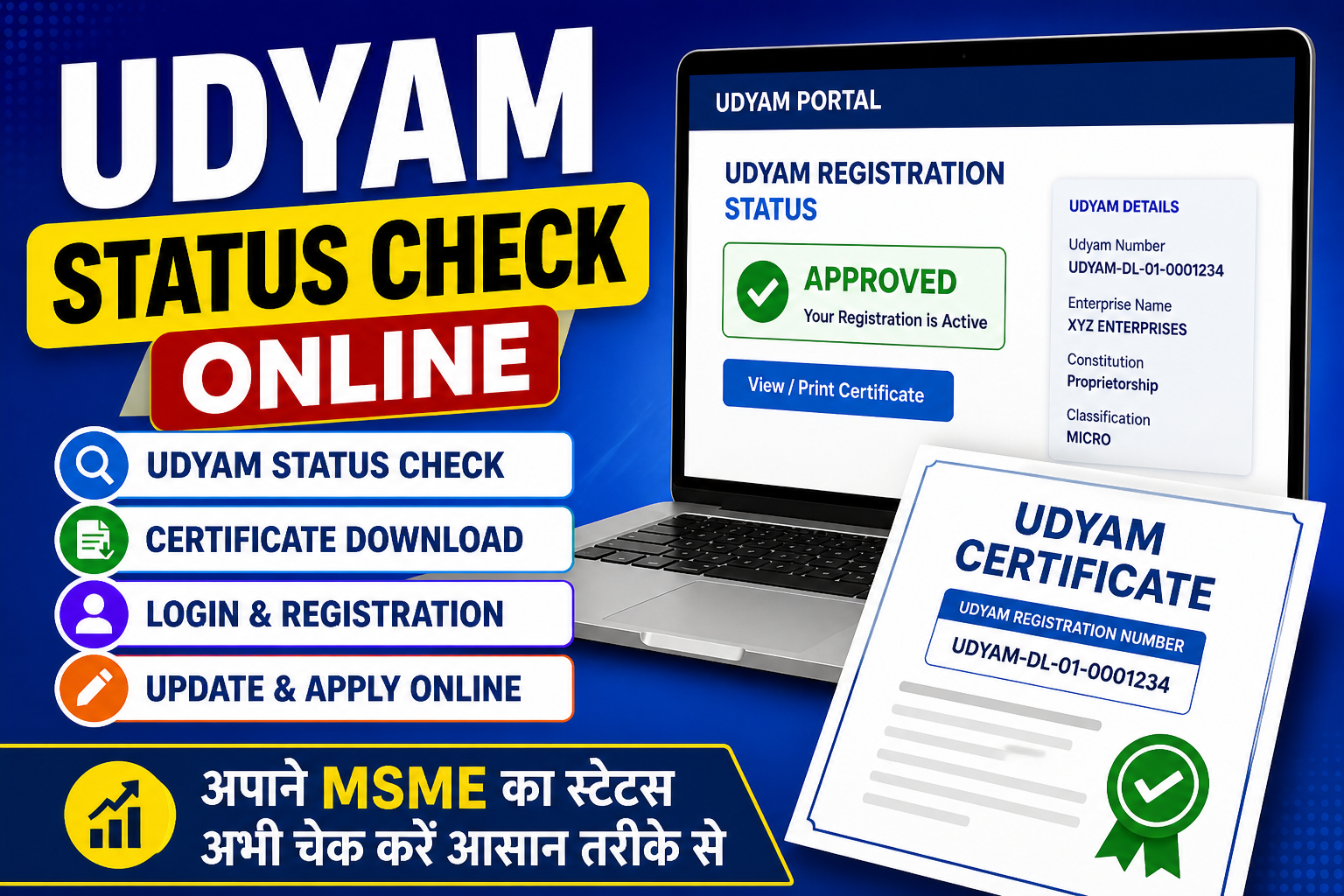
Complementing these startup-specific benefits, the broader MSME sector, defined by the Gazette Notification S.O. 2119(E) dated 26 June 2020, continues to be a cornerstone of economic development. Udyam Registration, which replaced the erstwhile Udyog Aadhaar, offers a simplified, free online registration process at udyamregistration.gov.in. This single-page, PAN and Aadhaar-based registration provides micro, small, and medium enterprises with access to a plethora of benefits. Notably, the amendment to Section 43B(h) of the Income Tax Act, 1961, through the Finance Act 2023, effective from Assessment Year 2024-25, ensures timely payments to MSMEs by disallowing business expense deductions for payments outstanding beyond 45 days. This regulatory change significantly strengthens the financial position of MSMEs, which form the backbone of Indian entrepreneurship.
The burgeoning digital infrastructure further propels this growth. India's robust digital public goods, such as the Unified Payments Interface (UPI) and Aadhaar, have democratized access to financial services and streamlined business operations. This digital backbone facilitates easy market penetration, efficient payment processing, and reduced operational costs for new businesses, enabling them to reach customers across geographical divides. For instance, the Government e-Marketplace (GeM) (gem.gov.in) mandates Udyam certificates for sellers, making it easier for MSMEs to participate in public procurement, which is projected to reach Rs 2.25 lakh crore in 2025-26.
Access to finance is another critical enabler. Government schemes like the Pradhan Mantri Employment Generation Programme (PMEGP) (kviconline.gov.in) offer subsidies of 15-35% on project costs up to Rs 25 lakh for manufacturing and Rs 10 lakh for service units. For larger collateral-free loans, the Credit Guarantee Fund Trust for Micro and Small Enterprises (CGTMSE) (sidbi.in) provides guarantees up to Rs 5 crore. Additionally, the MUDRA scheme (mudra.org.in) provides accessible finance for micro-businesses through its Shishu (up to Rs 50K), Kishore (Rs 50K-Rs 5L), and Tarun (Rs 5L-Rs 10L) categories. These diverse funding avenues ensure that capital is not a prohibitive factor for most aspiring entrepreneurs.
Regulatory simplifications, such as the SPICe+ (Simplified Proforma for Incorporating Company Electronically Plus) form on the MCA portal (mca.gov.in), have significantly reduced the time and effort required to incorporate a company, often consolidating multiple processes into a single application. This ease of doing business, combined with a young, skilled workforce and a culture increasingly embracing innovation, sets the stage for 2026 to be a truly transformative year for Indian entrepreneurship.
Key Takeaways
- India's strong government support through initiatives like Startup India provides tax exemptions and ease of doing business for entrepreneurs.
- Udyam Registration is free and mandatory for MSMEs to access benefits, including protection under Income Tax Act Section 43B(h) regarding timely payments.
- Robust digital infrastructure, including UPI and Aadhaar, facilitates market access and operational efficiency for new ventures.
- Access to diverse funding options, such as PMEGP, CGTMSE, and MUDRA loans, ensures capital availability for businesses of all sizes.
- Simplified company registration processes via MCA's SPICe+ form reduce administrative burdens, encouraging new business formations.
What is Entrepreneurship and Why India is a Startup Hub
Entrepreneurship is the process of creating, developing, and managing a new business venture, often involving significant risks to generate profit. It typically involves innovation, taking calculated risks, and solving market problems. India has emerged as a significant global startup hub due to a confluence of factors, including robust government support, a vast domestic market, a large skilled talent pool, and a rapidly evolving digital infrastructure.
In 2026, India continues its remarkable trajectory as a global hotspot for entrepreneurial activity, consistently ranking among the top countries for new business registrations and venture capital funding. The ecosystem is thriving, fueled by digital transformation and supportive government policies, making it a pivotal time for new ventures to emerge across various sectors.
Entrepreneurship fundamentally involves identifying opportunities, mobilizing resources, and creating value. It's not merely about starting a business, but about pioneering new solutions, disrupting existing markets, and often contributing significantly to economic growth and job creation. An entrepreneur is characterized by traits such as innovation, risk-taking, self-reliance, and a strong vision to transform ideas into tangible products or services.
India's ascent as a prominent startup hub is not accidental but the result of a concerted effort and unique advantages. The government's proactive role, primarily through the Startup India initiative launched in 2016 by the Department for Promotion of Industry and Internal Trade (DPIIT), has been a major catalyst. This initiative provides a framework for nurturing innovation and entrepreneurship by offering various incentives, including tax exemptions under Section 80-IAC of the Income Tax Act, 1961 for eligible startups for three out of ten years, and exemption from Angel Tax under Section 56(2)(viib) of the Income Tax Act, 1961 for DPIIT-recognized startups that meet specific criteria. Such policies reduce the initial burden on new businesses and encourage innovation.
Beyond policy support, India offers an unparalleled demographic dividend with a large, young, and aspiring population. This translates into a vast domestic consumer market that provides fertile ground for businesses to test and scale their products and services. The rapid adoption of digital technologies, including affordable internet and smartphones, has democratized access to markets and tools for entrepreneurs, even in remote areas.
The availability of a skilled workforce, particularly in technology and engineering, further strengthens India's entrepreneurial landscape. Indian universities produce millions of graduates annually, many of whom are keen to explore entrepreneurial paths. Moreover, the ease of doing business has seen continuous improvements. Initiatives like the MCA portal's SPICe+ form (Simplified Proforma for Incorporating Company Electronically Plus) have streamlined company incorporation processes, reducing bureaucratic hurdles and time for new ventures to register under the Companies Act, 2013.
Access to funding has also expanded significantly. While venture capital and angel investments are growing for high-potential startups, government-backed schemes like Pradhan Mantri MUDRA Yojana (PMMY) play a crucial role in providing collateral-free loans up to ₹10 lakh to micro and small enterprises, particularly for those in the informal sector or early stages of their business journey. This multi-faceted support system makes India a dynamic and attractive destination for entrepreneurs looking to launch and scale their ventures in 2026 and beyond.
Key Takeaways
- Entrepreneurship involves innovation, risk-taking, and value creation in new business ventures.
- India's robust government support, particularly through the DPIIT's Startup India initiative, offers crucial tax benefits and regulatory ease for startups.
- Tax exemptions under Section 80-IAC and relief from Angel Tax (Section 56(2)(viib)) are significant incentives for eligible DPIIT-recognized startups.
- A large domestic market and a vast, skilled talent pool contribute significantly to India's entrepreneurial success.
- Digital infrastructure and streamlined company registration processes via the MCA portal (e.g., SPICe+ form under the Companies Act, 2013) enhance the ease of doing business.
- Government schemes like the Pradhan Mantri MUDRA Yojana (PMMY) provide essential financial support, offering collateral-free loans up to ₹10 lakh to micro and small enterprises.
Who Can Become an Entrepreneur in India: Eligibility and Categories
Entrepreneurs in India can be any Indian citizen of legal age and sound mind, operating as individuals, proprietorships, partnerships, Limited Liability Partnerships (LLPs), or companies. Businesses are primarily categorized by their legal structure and, for access to government benefits, by their scale as Micro, Small, or Medium Enterprises (MSMEs) as defined under the MSMED Act 2006.
India's entrepreneurial landscape is poised for significant growth, with projections indicating a robust expansion of new ventures across diverse sectors by 2026. The government's continued focus on streamlining business processes through initiatives like Startup India and Udyam Registration has created a fertile ground for aspiring business owners. This supportive environment enables a wide spectrum of individuals to embark on entrepreneurial journeys, from innovative tech startups to traditional service providers.
General Eligibility Criteria for Entrepreneurs
Becoming an entrepreneur in India generally requires adherence to a few fundamental criteria, irrespective of the business's scale or sector:
- Indian Citizenship: The primary requirement is to be an Indian citizen. While foreign nationals can invest and establish businesses, the scope for Indian entrepreneurs is vast and supported by specific domestic policies.
- Age and Competence: The individual must be at least 18 years of age and of sound mind, capable of entering into legal contracts, as per the Indian Contract Act, 1872.
- No Legal Disqualification: The individual should not be disqualified by any law from forming a business or entering into agreements. This includes individuals declared insolvent or those convicted of certain offenses.
Categories of Entrepreneurs and Business Structures
Entrepreneurs in India can establish their ventures under various legal structures, each with its own advantages, compliance requirements, and liability implications:
- Sole Proprietorship: The simplest form, where an individual directly owns and operates the business. It requires minimal formalities but offers no distinction between the owner and the business, meaning unlimited personal liability.
- Partnership Firm: Governed by the Partnership Act, 1932, this structure involves two or more individuals agreeing to share profits of a business carried on by all or any of them acting for all. Liabilities are unlimited.
- Limited Liability Partnership (LLP): Introduced by the LLP Act, 2008, LLPs combine the flexibility of a partnership with the limited liability of a company. Partners' liability is limited to their agreed contribution.
- One Person Company (OPC): A unique structure under the Companies Act, 2013, allowing a single person to form a company with limited liability, offering advantages similar to a private limited company but with a single owner.
- Private Limited Company: Governed by the Companies Act, 2013, this is a popular choice for startups seeking scalability and investor funding. It requires a minimum of two directors and two shareholders, offering limited liability to its members.
MSME Classification: A Key Category for Benefits
A significant classification for businesses in India is the Micro, Small, and Medium Enterprises (MSME) category, which is crucial for accessing various government schemes and benefits. The classification, updated via Gazette Notification S.O. 2119(E) dated 26 June 2020, is based on a composite criterion of investment in plant and machinery/equipment and annual turnover.
| Category | Investment in Plant & Machinery or Equipment (Max) | Annual Turnover (Max) |
|---|---|---|
| Micro | Rs. 1 Crore | Rs. 5 Crore |
| Small | Rs. 10 Crore | Rs. 50 Crore |
| Medium | Rs. 50 Crore | Rs. 250 Crore |
Businesses registering for Udyam (formerly Udyog Aadhaar) fall into one of these categories and become eligible for benefits such as priority sector lending, protection against delayed payments under Section 15 of the MSMED Act 2006, and exemptions in government tenders via GeM portal (GFR Rule 170).
Startup India Recognition
Another important category for entrepreneurs, particularly those with innovative and scalable business models, is the 'Startup' recognition by the Department for Promotion of Industry and Internal Trade (DPIIT) under the Startup India initiative. Recognized startups can avail tax exemptions under Section 80-IAC of the Income Tax Act 1961 for 3 years and angel tax exemptions under Section 56(2)(viib), among other benefits, as detailed on startupindia.gov.in.
Key Takeaways
- Any Indian citizen, aged 18 or above and of sound mind, is generally eligible to become an entrepreneur in India.
- Entrepreneurs can choose from various legal structures, including Sole Proprietorships, Partnership Firms, LLPs, One Person Companies, and Private Limited Companies, each offering different liability and compliance frameworks.
- The MSME classification (Micro, Small, Medium) is a critical categorization for businesses to access a wide array of government schemes and benefits, based on investment and turnover thresholds outlined in Gazette Notification S.O. 2119(E), 26 June 2020.
- Businesses recognized as 'Startups' by DPIIT are eligible for specific tax incentives and other support to foster innovation and growth.
- Choosing the appropriate business structure and understanding its classification are fundamental steps for any aspiring entrepreneur in India for legal compliance and leveraging available support.
Step-by-Step Process to Start Your Entrepreneurial Journey in India
Starting an entrepreneurial journey in India involves systematic planning, choosing the right legal structure, registering the business with relevant authorities like MCA and GST, obtaining necessary licenses, and securing Udyam Registration for MSME benefits. Compliance with legal and tax regulations from the outset ensures a strong foundation for growth.
India's startup ecosystem continues its robust growth, with the Department for Promotion of Industry and Internal Trade (DPIIT) recognizing over 115,000 startups by early 2026. This dynamic environment, supported by various government initiatives, makes India an attractive destination for new ventures. Navigating the regulatory landscape efficiently is key to a successful launch.
- Develop a Comprehensive Business Plan:
Before any formal registration, a well-structured business plan is crucial. This includes market analysis, target audience identification, financial projections, operational strategies, and a clear vision statement. Understanding your niche and competition helps in strategizing unique value propositions. While not a regulatory requirement, it serves as a roadmap and is essential for securing funding or attracting investors. - Choose the Right Legal Structure:
The choice of business structure significantly impacts liability, compliance, and taxation. Common options in India include Sole Proprietorship, Partnership (governed by the Partnership Act 1932), Limited Liability Partnership (LLP Act 2008), and Private Limited Company (Companies Act 2013). A Private Limited Company offers limited liability and is often preferred by startups seeking external funding, while LLPs combine partnership flexibility with limited liability. Registration for LLPs and companies is done via the Ministry of Corporate Affairs (MCA) portal. (mca.gov.in) - Register Your Business with MCA (for Companies/LLPs):
For Private Limited Companies and LLPs, the registration process is centralized through the MCA. This typically involves obtaining Director Identification Numbers (DINs) and Digital Signature Certificates (DSCs) for directors/partners, reserving a name (Form RUN), and then filing the integrated SPICe+ Form (Simplified Proforma for Incorporating Company Electronically Plus) which includes applications for PAN, TAN, ESIC, and EPFO. This streamlines the incorporation process. (mca.gov.in) - Obtain GST Registration:
Businesses exceeding a specified aggregate turnover (currently Rs. 40 lakh for goods and Rs. 20 lakh for services in most states, with lower thresholds for special category states) are mandated to register under the Goods and Services Tax (GST) regime. Even if not mandatory, voluntary registration can be beneficial for claiming Input Tax Credit. The registration is completed on the official GST portal using a valid PAN. (gst.gov.in) - Secure Udyam Registration (MSME Classification):
For Micro, Small, and Medium Enterprises (MSMEs), obtaining Udyam Registration is a crucial step to avail various government benefits and schemes. Introduced via Gazette Notification S.O. 2119(E) dated 26 June 2020, Udyam Registration has replaced the erstwhile Udyog Aadhaar Memorandum. It's a free, online, paperless, and self-declaration-based process linked to PAN and Aadhaar. Classification is based on investment in plant & machinery/equipment and turnover (e.g., Micro: ≤ Rs 1 Cr investment + ≤ Rs 5 Cr turnover). (udyamregistration.gov.in) - Apply for Other Essential Licenses and Registrations:
Depending on the nature of the business, various other licenses may be required. This could include Shop & Establishment Act registration (state-specific), Food Safety and Standards Authority of India (FSSAI) license for food businesses, Import Export Code (IEC) from DGFT for international trade, and Trademark registration for intellectual property protection. Each requires application to the respective government department. (fssaiprime.fssai.gov.in, ipindia.gov.in) - Open a Business Bank Account:
Once the business is legally registered, opening a separate current bank account in the name of the business entity is essential. This helps in maintaining clear financial records, ensuring compliance, and facilitating business transactions. Banks typically require incorporation documents, PAN, GSTIN, and identity proofs of directors/partners.
Key Takeaways
- A robust business plan is the foundation for any successful venture in India, guiding strategy and attracting investment.
- Choosing the correct legal structure (e.g., Sole Proprietorship, LLP, Private Limited Company) impacts liability and compliance requirements, with registration handled by the MCA for companies and LLPs.
- GST registration is mandatory for businesses exceeding specified turnover thresholds, ensuring tax compliance.
- Udyam Registration is vital for MSMEs to access numerous government benefits and schemes, being a free, online, and self-declaration process.
- Beyond primary registrations, businesses must obtain industry-specific licenses like FSSAI or IEC, depending on their operations.
- Maintaining distinct business finances through a dedicated bank account is crucial for financial transparency and compliance.
Essential Documents and Legal Requirements for Indian Entrepreneurs
For Indian entrepreneurs, establishing a business legally requires a series of essential documents and adherence to specific regulations, beginning with a Permanent Account Number (PAN) and potentially extending to GST registration, Udyam Registration, and formal business incorporation. Compliance with these requirements, governed by Acts like the Companies Act 2013 and the MSMED Act 2006, is crucial for operational legality, accessing benefits, and ensuring seamless growth in India's dynamic business environment.
India's entrepreneurial ecosystem is witnessing robust growth, with the Ministry of Corporate Affairs reporting a significant surge in company registrations, reflecting a thriving environment for new ventures. As of early 2026, the emphasis on ease of doing business continues, yet navigating the initial legal and documentary requirements remains a fundamental step for any aspiring entrepreneur. Proper registration and documentation not only ensure legal compliance but also unlock various government benefits, tax advantages, and facilitate access to finance.
The foundational step for any business entity in India is obtaining a Permanent Account Number (PAN), as mandated by the Income Tax Act, 1961. This unique 10-character alphanumeric identifier is essential for all financial transactions, including filing income tax returns, opening bank accounts, and applying for loans. Following this, the choice of business structure — such as a Sole Proprietorship, Partnership, Limited Liability Partnership (LLP), or Private Limited Company — dictates subsequent registration requirements. Each structure carries distinct legal obligations, liabilities, and documentation needs under relevant Acts.
For businesses with a turnover exceeding specified thresholds (currently Rs 40 lakh for goods and Rs 20 lakh for services), Goods and Services Tax (GST) registration is mandatory under the Central Goods and Services Tax Act, 2017. A GST Identification Number (GSTIN) enables businesses to collect GST, claim Input Tax Credit, and operate legally within the indirect tax framework. Furthermore, entrepreneurs establishing micro, small, or medium enterprises (MSMEs) should obtain Udyam Registration, as introduced by Gazette Notification S.O. 2119(E) on 26 June 2020. This free, online registration, accessible via udyamregistration.gov.in, provides access to numerous benefits under the MSMED Act, 2006, including priority sector lending, protection against delayed payments (Section 15, MSMED Act 2006), and exemptions in government tenders via GeM (gem.gov.in).
Beyond these primary requirements, sector-specific licenses and registrations are often necessary. For instance, food businesses must acquire an FSSAI license from the Food Safety and Standards Authority of India (fssaiprime.fssai.gov.in), while businesses involved in international trade need an Import Export Code (IEC) from the Directorate General of Foreign Trade (dgft.gov.in). Protecting intellectual property through trademark registration via the IP India portal (ipindia.gov.in) is also crucial for brand identity and market differentiation.
Key Documents and Legal Requirements Table
| Requirement/Document | Purpose/Description | Relevant Authority/Act | Mandatory For |
|---|---|---|---|
| PAN (Permanent Account Number) | Unique identifier for all financial transactions and tax compliance. | Income Tax Act, 1961 | All taxable entities and individuals |
| Aadhaar Card | Identity and address proof, often linked to business operations. | UIDAI | Individuals, proprietorships (for proprietor) |
| Bank Account (Current Account) | Segregating personal and business finances. | RBI guidelines | All registered businesses |
| GST Registration | For collecting and remitting Goods & Services Tax. | Central Goods and Services Tax Act, 2017 | Businesses > Rs 40L (goods) / Rs 20L (services) turnover |
| Udyam Registration | To obtain MSME status and associated benefits. | MSMED Act, 2006; S.O. 2119(E) | Micro, Small & Medium Enterprises |
| Business Registration (Company/LLP) | Legal entity creation with limited liability. | Companies Act, 2013 / LLP Act, 2008 | Private Limited Companies, LLPs |
| Shop & Establishment Act Registration | Regulation of working conditions, wages, holidays, etc. | State-specific Shop & Establishment Acts | Commercial establishments, shops, hotels, eateries |
| Import Export Code (IEC) | Mandatory for import and export activities. | Foreign Trade (Development and Regulation) Act, 1992 | Businesses involved in international trade |
| FSSAI License/Registration | Ensuring food safety standards. | Food Safety and Standards Act, 2006 | Food Business Operators (FBOs) |
| Trademark Registration | Protecting brand name, logo, and other intellectual property. | Trademarks Act, 1999 | Businesses seeking brand protection |
Key Takeaways
- A Permanent Account Number (PAN) is the foundational document for any business in India, crucial for all financial activities.
- The choice of business structure (e.g., LLP, Private Limited Company) determines specific incorporation requirements under Acts like the Companies Act, 2013 (mca.gov.in).
- GST registration is mandatory for businesses exceeding turnover thresholds, enabling tax compliance and Input Tax Credit (gst.gov.in).
- Udyam Registration is a vital step for MSMEs to access government schemes and protection, offered free of charge by the government (udyamregistration.gov.in).
- Sector-specific licenses, such as FSSAI for food businesses or IEC for importers/exporters, are non-negotiable for operating legally in relevant industries.
- Intellectual property protection through trademark registration is essential for safeguarding brand identity and competitive advantage (ipindia.gov.in).
Government Schemes and Funding Options for Indian Entrepreneurs
The Indian government actively promotes entrepreneurship through a range of schemes offering financial assistance, credit guarantees, and tax incentives. Programs like PMEGP, MUDRA, and CGTMSE provide crucial funding support, while initiatives like Startup India offer tax exemptions and ease of doing business for recognised startups, significantly reducing initial burdens for new ventures.
India's entrepreneurial landscape continues to flourish, with government support playing a pivotal role in nurturing new businesses. As of 2025-26, various central schemes are strategically designed to provide financial impetus and regulatory relief, enabling thousands of startups and MSMEs to access capital and thrive in a competitive market. These initiatives are crucial for achieving the nation's economic growth targets.
The Indian government has established a robust framework of schemes and policies aimed at bolstering the entrepreneurial ecosystem, particularly focusing on Micro, Small, and Medium Enterprises (MSMEs) and nascent startups. These initiatives address critical challenges such as access to finance, market linkage, and regulatory compliance.
One of the flagship programs is the Prime Minister's Employment Generation Programme (PMEGP), administered by Khadi and Village Industries Commission (KVIC) under the Ministry of MSME. This scheme aims to generate self-employment opportunities by establishing micro-enterprises in the non-farm sector. Under PMEGP, individuals can receive financial assistance for setting up new projects, with a maximum loan limit of Rs 25 lakh for manufacturing units and Rs 10 lakh for service units. The subsidy ranges from 15% to 35% of the project cost, depending on the category of the entrepreneur and the location of the project. (kviconline.gov.in)
For smaller financial needs, the Pradhan Mantri MUDRA Yojana (PMMY) provides collateral-free loans up to Rs 10 lakh to non-corporate, non-farm small/micro enterprises. These loans are disbursed through commercial banks, RRBs, small finance banks, and NBFCs. MUDRA loans are categorized into three products: 'Shishu' (loans up to Rs 50,000), 'Kishore' (loans above Rs 50,000 and up to Rs 5 lakh), and 'Tarun' (loans above Rs 5 lakh and up to Rs 10 lakh), catering to different stages of business growth. (mudra.org.in)
Access to credit remains a significant hurdle for MSMEs, which is mitigated by the Credit Guarantee Fund Trust for Micro and Small Enterprises (CGTMSE) scheme. This scheme provides collateral-free credit guarantees to eligible micro and small enterprises for both term loans and working capital facilities extended by eligible lending institutions. The guarantee coverage extends up to Rs 5 crore per eligible MSME unit. The guarantee fee typically ranges from 0.37% to 1.35% per annum, with an additional 5% concession for women entrepreneurs and units in the North Eastern Region. (sidbi.in)
The Startup India Initiative, launched by the Department for Promotion of Industry and Internal Trade (DPIIT), offers a comprehensive package of benefits for recognized startups. These include tax exemptions under Section 80-IAC of the Income Tax Act, 1961, allowing for a 100% tax exemption on profits for 3 consecutive years out of 10 years, subject to certain conditions. Additionally, it provides exemption from "angel tax" under Section 56(2)(viib) of the Income Tax Act for investments received, provided the startup is DPIIT recognized. (startupindia.gov.in)
Furthermore, the Government e-Marketplace (GeM) facilitates public procurement of goods and services by various government departments, organizations, and PSUs. For MSMEs, GeM provides a level playing field, and a valid Udyam certificate is mandatory for sellers to avail benefits like exemption from Earnest Money Deposit (EMD) as per GFR Rule 170. Government procurement through GeM reached Rs 2.25 lakh crore in 2025-26, highlighting significant market access opportunities for entrepreneurs. (gem.gov.in)
The Trade Receivables Discounting System (TReDS) is another crucial initiative aimed at solving the working capital issues of MSMEs by facilitating the discounting of their trade receivables through multiple financiers. It is mandatory for companies with an annual turnover of Rs 250 crore and above to onboard TReDS platforms like RXIL, M1xchange, and A.TREDS, ensuring timely payments to MSME suppliers. (msme.gov.in)
Here is a summary of key government schemes:
| Scheme | Nodal Agency | Benefit/Limit (2025-26) | Eligibility | How to Apply |
|---|---|---|---|---|
| PMEGP | KVIC (Ministry of MSME) | Project cost up to Rs 25L (Mfg), Rs 10L (Service); Subsidy 15-35% | Individuals above 18, 8th pass for projects above Rs 10L (Mfg) / Rs 5L (Service) | Online portal (kviconline.gov.in) |
| Pradhan Mantri MUDRA Yojana | MUDRA Ltd. (Department of Financial Services) | Loans up to Rs 10L (Shishu: up to Rs 50K, Kishore: Rs 50K-5L, Tarun: Rs 5L-10L) | Non-corporate, non-farm small/micro enterprises (manufacturers, traders, service providers) | Through banks/NBFCs (mudra.org.in) |
| CGTMSE | SIDBI (Ministry of MSME) | Credit guarantee up to Rs 5 crore; Fee 0.37-1.35% | New and existing Micro & Small Enterprises with valid Udyam Registration | Through banks/financial institutions (sidbi.in) |
| Startup India Initiative | DPIIT (Ministry of Commerce & Industry) | Tax exemptions (Sec 80-IAC, Sec 56(2)(viib)); easier compliance | DPIIT recognized startups with innovative products/services | Online portal (startupindia.gov.in) |
| Government e-Marketplace (GeM) | GeM SPV (Ministry of Commerce & Industry) | Market access for government procurement; EMD exemption for MSMEs | Any registered business (Udyam mandatory for MSME benefits) | Online portal (gem.gov.in) |
| TReDS | RBI regulated platforms | Discounting of trade receivables; improved working capital for MSMEs | MSME suppliers with valid invoices against large corporate/PSU buyers | Register on TReDS platforms (e.g., RXIL, M1xchange) |
Key Takeaways
- The PMEGP scheme provides financial assistance up to Rs 25 lakh for manufacturing units and Rs 10 lakh for service units, with subsidies ranging from 15% to 35%.
- MUDRA Yojana offers collateral-free loans up to Rs 10 lakh, categorized into Shishu, Kishore, and Tarun, primarily for micro and small enterprises.
- The CGTMSE scheme guarantees collateral-free credit up to Rs 5 crore for eligible MSMEs, easing access to institutional finance.
- DPIIT-recognized startups can avail significant tax benefits, including 100% profit exemption for 3 years and "angel tax" exemption under the Startup India Initiative.
- GeM portal enables MSMEs to participate in government procurement, with benefits like EMD exemption, provided they hold a valid Udyam certificate.
- TReDS platforms address MSME working capital needs by facilitating the discounting of trade receivables, mandatory for large buyers with over Rs 250 crore turnover.
2025-2026 Updates: New Policies and Regulatory Changes for Startups
The 2025-2026 period continues to strengthen the entrepreneurial ecosystem in India through enhanced regulatory clarity and extended incentives. Key updates focus on streamlining DPIIT recognition for startups, providing further tax exemptions under Section 80-IAC and Section 56(2)(viib), and simplifying compliance processes via the MCA portal, reflecting the government's sustained commitment to fostering innovation and growth.
Updated 2025-2026: This section incorporates the continued focus on startup policy and regulatory frameworks, building upon provisions from the Finance Act and DPIIT notifications impacting the current fiscal year.
India's startup landscape is rapidly evolving, with over 125,000 DPIIT-recognized startups by early 2026, signifying a robust environment for innovation. The policy and regulatory framework for 2025-2026 is designed to further nurture this growth, offering a more streamlined and supportive ecosystem. Entrepreneurs embarking on their ventures in this period will find enhanced clarity in registration, compliance, and access to crucial incentives, making the journey from idea to enterprise more achievable.
Streamlined Startup India Recognition and Benefits
The Department for Promotion of Industry and Internal Trade (DPIIT) continues to be the central authority for startup recognition in India. For 2025-2026, the process for obtaining DPIIT recognition remains accessible via the Startup India portal. This recognition is pivotal, unlocking several critical benefits:
- Tax Exemption under Section 80-IAC: Eligible DPIIT-recognized startups can avail a 100% tax exemption on their profits for any three consecutive years out of their first ten years since incorporation. This provision, critical for early-stage growth, remains a cornerstone of the startup tax policy as per the Income Tax Act 1961.
- Angel Tax Exemption (Section 56(2)(viib)): To mitigate the 'Angel Tax' challenge, DPIIT-recognized startups can declare themselves exempt from Section 56(2)(viib) of the Income Tax Act 1961, provided they meet specific conditions regarding aggregate paid-up share capital and share premium. This exemption is crucial for startups raising equity funding from domestic investors above fair market value.
The government's continued focus is on ensuring these benefits are effectively utilized, with efforts towards improving the ease of application and verification on the Startup India platform.
Corporate Compliance and Ease of Doing Business
The Ministry of Corporate Affairs (MCA) continues its drive towards simplifying corporate compliance for startups. The MCA portal remains the single point of access for various company-related filings. Key aspects for 2025-2026 include:
- Simplified Incorporation Process: The SPICe+ (Simplified Proforma for Incorporating Company Electronically Plus) form remains the primary tool for company incorporation, integrating PAN, TAN, GSTIN, ESIC, EPFO, and professional tax registration into a single application. This significantly reduces the time and effort required to establish a new entity, aligning with the Companies Act 2013.
- Reduced Compliance Burden: While regular annual filings under the Companies Act 2013 are mandatory, the MCA has consistently introduced measures to ease the burden on small companies and startups. These include provisions for fast-track mergers and simplified annual return filings where applicable, though standard compliances for all companies persist.
Evolving Ecosystem Support and Access to Funding
Beyond direct tax and compliance benefits, the 2025-2026 period sees a continued emphasis on creating a conducive ecosystem for startups. Initiatives such as the Fund of Funds for Startups (FFS), managed by SIDBI, continue to provide capital to SEBI-registered Alternative Investment Funds (AIFs), which in turn invest in startups. Furthermore, government procurement through platforms like Government e-Marketplace (GeM) offers preferential treatment for startups and MSMEs, including exemptions from Earnest Money Deposit (EMD) as per GFR Rule 170. This ensures market access and a level playing field for new ventures.
Key Takeaways for Startups in 2025-2026
- DPIIT recognition via startupindia.gov.in is essential for accessing key benefits like tax exemptions.
- Eligible startups can claim 100% tax exemption for 3 years out of 10 under Section 80-IAC of the Income Tax Act 1961.
- Angel Tax exemption under Section 56(2)(viib) continues for DPIIT-recognized startups meeting specified conditions.
- Company incorporation remains simplified through the SPICe+ form on the MCA portal, consolidating multiple registrations.
- Access to government procurement through GeM offers opportunities, with EMD exemptions for startups as per GFR Rule 170.
State-wise Entrepreneurship Opportunities and Regional Benefits
India's diverse economic landscape offers unique entrepreneurial opportunities and benefits across its states, driven by tailored policies, industrial clusters, and support mechanisms. Leveraging state-specific schemes, single-window clearances, and dedicated industrial development corporations can significantly boost a new business's prospects and growth trajectory in 2026.
India's federal structure means that while central government schemes like Udyam Registration provide a national framework, states actively compete to attract and nurture businesses through their own policies and incentives. In 2026, entrepreneurs must look beyond national policies to understand the specific advantages a particular state can offer, ranging from land subsidies to financial assistance and skill development programs.
Choosing the right state can significantly impact a business's success, especially for Micro, Small, and Medium Enterprises (MSMEs). State governments, through their industrial development corporations and investment promotion agencies, implement policies that align with their regional strengths and industrial priorities. For instance, states like Maharashtra and Gujarat are renowned for their industrial prowess, while Karnataka and Telangana lead in the IT and startup ecosystem. Understanding these regional dynamics is crucial for strategic business planning and maximizing available support.
Key State-wise Entrepreneurship Ecosystems
Each state in India has developed unique frameworks to foster entrepreneurship. These include dedicated single-window clearance systems, financial incentive schemes, and sector-specific industrial policies. For example, the Gujarat Industrial Development Corporation (GIDC) has been instrumental in creating robust industrial infrastructure, while Karnataka's Udyog Mitra portal streamlines various approvals for businesses. Such initiatives aim to reduce bureaucratic hurdles and improve the ease of doing business.
Entrepreneurs should research the state's MSME policy, startup policy, and relevant industrial policies before establishing their venture. Many states offer capital subsidies, interest subsidies, and exemptions from various taxes and duties for eligible units. Moreover, sector-specific clusters, like the textile hubs in Tamil Nadu or engineering clusters in Punjab, provide access to specialized labor, raw materials, and markets, creating a conducive environment for related businesses.
| State | Key Agency/Portal | Prominent Scheme/Policy | Specific Benefit/Focus | Source |
|---|---|---|---|---|
| Maharashtra | MAITRI portal | CM Employment Generation Programme | Industrial clusters (MIDC), skilled labor | maitri.mahait.org |
| Delhi | DSIIDC | Delhi MSME Policy 2024 | Startup hub, urban infrastructure | dsiidc.org |
| Karnataka | Udyog Mitra portal | Rajiv Gandhi Udyami Mitra | IT/Tech startups, innovation ecosystem | udyogamitra.karnataka.gov.in |
| Tamil Nadu | TIDCO | CM New MSME Scheme | Manufacturing, auto components, textiles | tidco.com |
| Gujarat | iNDEXTb | Vibrant Gujarat MSME | Industrial investment, manufacturing hub | indextb.com |
| Uttar Pradesh | UPSIDA | ODOP (One District One Product) scheme | MSME promotion, rural industrialization | upsida.up.gov.in |
| Rajasthan | RIICO | RIPS-2022 (Rajasthan Investment Promotion Scheme) | Industrial infrastructure, investment incentives | riico.co.in |
| West Bengal | WBSIDCO | Shilpa Sathi single-window | MSME development, industrial parks | wbsidco.in |
| Telangana | T-IDEA | TS-iPASS | IT, Pharma, Life Sciences, quick approvals | startup.telangana.gov.in |
| Punjab | PBIP | Ludhiana engineering cluster support | Agro-based industries, engineering | investpunjab.gov.in |
Key Takeaways
- State governments offer tailored policies and incentives that significantly impact local entrepreneurship and business growth.
- Portals like Maharashtra's MAITRI and Karnataka's Udyog Mitra provide streamlined services and information for entrepreneurs.
- Schemes such as UP's ODOP and Rajasthan's RIPS-2022 focus on specific regional strengths and investment promotion.
- Leveraging state-specific industrial clusters (e.g., MIDC in Maharashtra, SIPCOT in Tamil Nadu) can provide access to resources and markets.
- While Udyam Registration is a national requirement, integrating with state-level benefits enhances a business's competitive edge.
- Understanding the ease of doing business and the specific benefits offered by various state policies is crucial for selecting the optimal location for a new venture in 2026.
Common Entrepreneurship Mistakes and How to Avoid Business Failures
Entrepreneurs often stumble due to inadequate market research, poor financial planning, legal non-compliance, and ineffective team management. To mitigate these risks, a robust business plan, diligent market analysis, strict adherence to regulatory requirements, and strategic financial management are crucial for sustainable growth and avoiding business failures in the competitive Indian landscape.
Despite India's vibrant startup ecosystem and significant government support, a notable percentage of new businesses struggle to establish long-term viability. As of 2025-26, while entrepreneurial spirit thrives, understanding and pre-empting common pitfalls is essential for sustained success. Many ventures, even those with innovative ideas, fail to navigate the complexities of market dynamics, financial management, and regulatory compliance.
One of the most frequent mistakes is insufficient market research and product-market fit. Many entrepreneurs launch products or services based on assumptions rather than verified customer needs or demand. This leads to offerings that fail to resonate with the target audience. To avoid this, thorough market analysis, competitive benchmarking, and early-stage customer feedback are indispensable. Validating your concept with potential customers before significant investment can save substantial resources.
Poor financial management is another critical failure point. This includes underestimating startup costs, mismanaging cash flow, lacking proper budgeting, and failing to secure adequate funding. Startups must have a clear financial roadmap, including detailed projections for revenue, expenses, and profitability. Adherence to sound accounting practices and regular financial reviews are vital. Exploring government schemes like MUDRA loans (Shishu, Kishore, Tarun) or applying for PMEGP can provide initial capital support for eligible enterprises, as outlined on mudra.org.in.
Legal and regulatory non-compliance can lead to significant penalties and operational halts. Entrepreneurs often overlook crucial registrations such as company incorporation via the MCA portal (mca.gov.in), GST registration if turnover exceeds thresholds (currently Rs 40 lakh for goods, Rs 20 lakh for services), and obtaining an Udyam Registration Certificate under the MSMED Act 2006. The Udyam certificate, obtained free of charge from udyamregistration.gov.in, is not just for compliance but unlocks numerous benefits for MSMEs. Neglecting these can result in legal complications and a lack of credibility.
Another mistake is ineffective team building and leadership. A startup's success heavily relies on its team. Hiring individuals without the right skills or cultural fit, or failing to delegate effectively, can cripple growth. Entrepreneurs must focus on building a cohesive team, fostering a positive work environment, and developing strong leadership skills to inspire and guide their venture through challenges.
Finally, scaling too fast without a solid foundation or conversely, failing to adapt to market changes, can be detrimental. Rapid expansion without robust systems, processes, and financial backing can lead to operational chaos. Conversely, being rigid in the face of evolving market demands or technological advancements can render a business obsolete. Entrepreneurs need to maintain agility, continuously monitor the market, and be prepared to pivot their strategies as needed.
Key Takeaways
- Conduct comprehensive market research to validate product-market fit and avoid assumptions about customer demand.
- Implement stringent financial planning, including detailed budgeting, cash flow management, and exploring appropriate funding avenues like MUDRA loans.
- Ensure full legal and regulatory compliance by registering your entity with MCA, obtaining GSTIN (if applicable), and securing Udyam Registration to leverage MSME benefits.
- Prioritise building a competent and cohesive team, delegating tasks effectively, and fostering strong leadership within the organisation.
- Adopt a balanced approach to growth, avoiding premature scaling while remaining agile and adaptable to evolving market conditions and technological shifts.
Real Success Stories: Indian Entrepreneurs Who Made It Big
India's entrepreneurial landscape is vibrant and growing, fueled by innovative spirit, digital penetration, and robust government support. Success stories emerge from diverse sectors, demonstrating how visionary ideas, coupled with strategic execution and leveraging government initiatives like Startup India and MSME schemes, can lead to significant economic impact and job creation across the nation.
India has emerged as a global hub for entrepreneurship, with a dynamic ecosystem fostering innovation and growth. The period of 2025-26 continues to see a surge in new ventures, driven by a youthful demographic, increasing digital literacy, and supportive government policies. This environment allows entrepreneurs from various backgrounds to build impactful businesses, contributing significantly to the nation's economic progress and employment generation.
The success of Indian entrepreneurs is often a testament to their adaptability, problem-solving skills, and ability to harness India's vast domestic market. Initiatives such as Startup India, launched by the Department for Promotion of Industry and Internal Trade (DPIIT), have played a crucial role by providing a framework for nurturing startups. This includes benefits like tax exemptions under Section 80-IAC of the Income Tax Act for eligible startups for three years and exemptions from angel tax provisions under Section 56(2)(viib) for investments in recognized startups, creating a more favorable investment climate (startupindia.gov.in).
Furthermore, the MSME sector, which encompasses a large part of India's entrepreneurial base, benefits from various schemes designed to enhance competitiveness and access to finance. Through Udyam Registration, businesses gain access to priority sector lending, credit guarantees via CGTMSE (guarantee up to Rs 5 crore), and protection against delayed payments under Section 15 of the MSMED Act 2006, mandating payments within 45 days. This structured support system helps smaller businesses scale and thrive (msme.gov.in).
Digital transformation has also been a powerful enabler. Entrepreneurs leveraging the 'Digital India' mission have created successful models in e-commerce, fintech, ed-tech, and health-tech, reaching remote corners of the country. The widespread adoption of digital payment infrastructure and internet connectivity has lowered entry barriers and expanded market access for many new businesses.
Key Growth Drivers and Impact
Success in the Indian entrepreneurial space is often attributed to several factors:
- Innovation-driven Approach: Entrepreneurs solving real-world Indian problems, from rural connectivity to sustainable agriculture, are finding significant market traction.
- Access to Funding: A growing venture capital and angel investment ecosystem, alongside government-backed funds and schemes like MUDRA loans (up to Rs 10 lakhs for micro-enterprises), ensures capital availability at various stages of business growth (mudra.org.in).
- Policy Support: Continuous reforms in ease of doing business, simplified compliance through MCA portals, and specific benefits for MSMEs and startups have created a nurturing environment.
- Market Scale: India's large and diverse consumer base provides immense opportunities for businesses to grow rapidly once they achieve product-market fit.
The cumulative effect of these factors is evident in the burgeoning number of registered businesses and their collective contribution to the economy. The table below illustrates some key indicators reflecting this growth:
| Indicator | Status/Trend (2025-26) | Source/Impact |
|---|---|---|
| DPIIT Recognized Startups | Over 120,000+ registered startups (significant increase from previous years) | DPIIT, Startup India Portal (startupindia.gov.in). Benefit from tax breaks (80-IAC). |
| MSME Contribution to GDP | Approximately 30% of India's GDP | Ministry of MSME (msme.gov.in). Major employment generator. |
| Udyam Registrations | Millions of enterprises registered annually | Udyam Registration Portal (udyamregistration.gov.in). Access to over 16 benefits. |
| Digital India Initiative | Accelerated digital adoption, fostering fintech, e-commerce, and digital services growth | Ministry of Electronics & IT (meity.gov.in). Enabled new business models. |
Source: DPIIT, Ministry of MSME, Udyam Registration Portal, MeitY (data trends as of 2025-26 projections).
Key Takeaways
- Indian entrepreneurs are thriving by leveraging digital advancements and solving local problems with innovative solutions.
- Government initiatives like Startup India provide crucial tax benefits and a supportive ecosystem for new ventures.
- The MSME sector continues to be a cornerstone of entrepreneurial success, benefiting from schemes like Udyam Registration and delayed payment protection.
- Access to finance, including MUDRA loans and venture capital, is vital in fueling the growth of these businesses.
- A combination of policy support, market scale, and an innovation-driven approach contributes significantly to India's entrepreneurial success stories.
Entrepreneurship in India: Frequently Answered Questions
Starting a business in India involves choosing an appropriate legal structure, registering the entity with relevant government bodies like the Ministry of Corporate Affairs (MCA) or through Udyam Registration, and ensuring compliance with tax and other regulatory frameworks. Key benefits for entrepreneurs include access to MSME schemes, credit facilitation, and government procurement advantages, especially through Udyam Registration.
India's entrepreneurial ecosystem is rapidly expanding, with over 100,000 DPIIT-recognized startups as of early 2025-26, reflecting a vibrant environment for new ventures. This growth is supported by various government initiatives aimed at simplifying business processes and providing financial assistance. Aspiring entrepreneurs often have several fundamental questions regarding setting up and operating a business.
What is the first crucial legal step to establish a business in India?
The initial and most critical legal step is to decide on the appropriate business structure. This choice impacts legal liability, taxation, and compliance requirements. Common structures include:
- Proprietorship: Easiest to set up, suitable for individual entrepreneurs, no separate legal identity.
- Partnership Firm: Governed by the Partnership Act, 1932, requiring a partnership deed. Can be registered or unregistered.
- Limited Liability Partnership (LLP): Governed by the LLP Act, 2008, offering limited liability to partners and requiring registration with the Ministry of Corporate Affairs (MCA) via Form FiLLiP.
- Private Limited Company: Governed by the Companies Act, 2013, offering separate legal entity status and limited liability to shareholders. Registration is done through the SPICe+ form on the MCA portal.
For companies and LLPs, registration with the MCA (mca.gov.in) is mandatory, while proprietorships and partnerships typically require state-level registrations like the Shop & Establishment Act license or GST registration based on turnover.
Why is Udyam Registration essential for entrepreneurs in India?
Udyam Registration is crucial as it grants businesses the status of Micro, Small, or Medium Enterprises (MSMEs) as per the MSMED Act, 2006, and Gazette Notification S.O. 2119(E) dated 26 June 2020. This registration is completely free of charge and has lifetime validity, eliminating the need for renewal (udyamregistration.gov.in). An Udyam Certificate provides access to a wide array of government benefits, including priority sector lending, credit guarantees under schemes like CGTMSE (guarantee up to Rs 5 crore), interest rate subsidies, and protection against delayed payments through Section 43B(h) of the Income Tax Act, which became effective from AY 2024-25. It also provides advantages in government procurement through portals like GeM (gem.gov.in), where MSMEs are often exempt from Earnest Money Deposit (EMD) under GFR Rule 170.
What are the primary funding options available for Indian startups and MSMEs?
Indian entrepreneurs can access various funding avenues depending on their stage and requirements:
- Government Schemes: Programs like PMEGP (Prime Minister's Employment Generation Programme) offer subsidies up to 35% on projects, with loan limits up to Rs 25 lakh for manufacturing and Rs 10 lakh for services (kviconline.gov.in). MUDRA loans provide collateral-free credit up to Rs 10 lakh, categorized as Shishu (up to Rs 50K), Kishore (Rs 50K-Rs 5L), and Tarun (Rs 5L-Rs 10L) (mudra.org.in).
- Bank Loans: Traditional term loans and working capital finance from commercial banks, often facilitated by schemes like CGTMSE.
- Venture Capital (VC) & Angel Investors: For high-growth startups, private equity and angel investments provide significant capital, often coupled with mentorship. DPIIT-recognized startups can avail tax exemptions under Section 80-IAC for three years.
- Bootstrapping & Crowdfunding: Self-funding through personal savings or raising small amounts from a large number of individuals can also be viable options.
What are the fundamental tax and compliance requirements for a new business?
Key compliance requirements include:
- PAN (Permanent Account Number): Essential for all financial transactions and tax purposes.
- GST Registration: Mandatory if annual turnover exceeds Rs 40 lakh (Rs 20 lakh for services in most states) (gst.gov.in). Businesses can also opt for the GST Composition Scheme if their turnover is up to Rs 1.5 crore, paying a flat tax rate of 1-6%.
- Bank Account: A separate current account for the business is crucial for financial transparency and compliance.
- Shop & Establishment Act Registration: Required by most states for commercial establishments, covering working hours, holidays, and employee welfare.
- Annual Filings: Companies and LLPs must file annual returns with the MCA. Tax returns (ITR) are mandatory for all businesses, with ITR-3 for business income.
Key Takeaways
- Selecting the correct legal structure (Proprietorship, Partnership, LLP, or Private Limited Company) is the foundational step, influencing liability and compliance.
- Udyam Registration is critical for accessing MSME benefits, including credit guarantee schemes, priority sector lending, and protection against delayed payments.
- Government schemes like PMEGP and MUDRA provide significant financial support, offering subsidies and collateral-free loans for various business needs.
- Startups recognized by DPIIT can avail tax exemptions under Section 80-IAC for three years, alongside angel tax exemptions under Section 56(2)(viib).
- Essential compliance includes obtaining a PAN, GST registration (if applicable), opening a business bank account, and adhering to the Shop & Establishment Act and annual tax filings.
Conclusion and Official Resources for Indian Entrepreneurs
Entrepreneurship in India in 2026 is a dynamic journey, bolstered by comprehensive government support, digital infrastructure, and a robust regulatory framework. Success hinges on a clear understanding of compliance, leveraging available schemes, and continuous innovation.
Important: Udyam Registration at udyamregistration.gov.in is completely free of charge as per Gazette S.O. 2119(E), 26 June 2020. No fee is charged at any stage.
As India strides towards a 5 trillion-dollar economy, the entrepreneurial ecosystem remains a crucial driver, with new business registrations consistently rising, fueled by initiatives like 'Make in India' and 'Digital India'. The year 2026 continues to witness a strong push for fostering innovation and ease of doing business, making it an opportune time for aspiring entrepreneurs to establish and scale their ventures.
The journey of an entrepreneur in India is multifaceted, beginning with the crucial step of formalizing the business entity. Whether it's registering a Private Limited Company under the Companies Act, 2013, an LLP under the LLP Act, 2008, or obtaining a simple Udyam Registration for an MSME, each step is supported by streamlined digital processes. The Udyam Registration, in particular, remains a cornerstone for Micro, Small, and Medium Enterprises, providing access to a plethora of benefits. These include priority sector lending, protection against delayed payments under Section 15 of the MSMED Act, 2006 (mandating payment within 45 days, failing which buyers cannot claim such expenses as deduction under Section 43B(h) of the Income Tax Act, as amended by Finance Act 2023), and exemptions in government tenders via GeM portal as per GFR Rule 170.
Beyond registration, compliance with Goods and Services Tax (GST) regulations is essential for most businesses exceeding the specified turnover thresholds, ensuring seamless taxation and input tax credit. Government schemes like the Prime Minister's Employment Generation Programme (PMEGP) offer significant subsidies for manufacturing and service units, while the MUDRA Yojana provides collateral-free loans to micro and small enterprises. The Startup India initiative by DPIIT (startupindia.gov.in) offers tax benefits under Section 80-IAC and other support for recognized startups, fostering an environment of innovation.
Entrepreneurs must also be aware of sectoral regulations, such as FSSAI registration for food businesses (fssaiprime.fssai.gov.in), and intellectual property protection through trademark registrations (ipindia.gov.in). The digital transformation across India has simplified many of these processes, making it easier for founders to navigate the regulatory landscape from anywhere in the country. The Udyam certificate, with its lifetime validity and auto-synchronization with ITR and GSTIN data, exemplifies this commitment to ease of doing business.
Official Resources for Indian Entrepreneurs
- Udyam Registration Portal: For MSME registration and benefits. (udyamregistration.gov.in)
- Ministry of MSME: Comprehensive information on MSME policies and schemes. (msme.gov.in)
- Ministry of Corporate Affairs (MCA): For company and LLP incorporation, filings, and compliance. (mca.gov.in)
- GST Portal: For Goods and Services Tax registration and compliance. (gst.gov.in)
- Startup India Hub: For DPIIT recognition, schemes, and startup ecosystem support. (startupindia.gov.in)
- Government e-Marketplace (GeM): For public procurement opportunities for businesses. (gem.gov.in)
Key Takeaways
- Udyam Registration is crucial for accessing a wide range of MSME-specific benefits and protections, including faster payments and tender preferences.
- Compliance with legal frameworks like the Companies Act 2013, LLP Act 2008, and GST regulations is fundamental for formal business operations.
- Government schemes such as PMEGP, MUDRA, and Startup India provide significant financial and strategic support to entrepreneurs across various sectors.
- Digital platforms from MCA to GeM have significantly simplified registration, compliance, and procurement processes, enhancing the ease of doing business.
- Continuous engagement with official resources and staying updated on policy changes is essential for sustainable growth in India's evolving entrepreneurial landscape.
For comprehensive guidance on Indian business registration and financial topics, UdyamRegistration.Services (udyamregistration.services) provides free, regularly updated guides for entrepreneurs and investors across India.